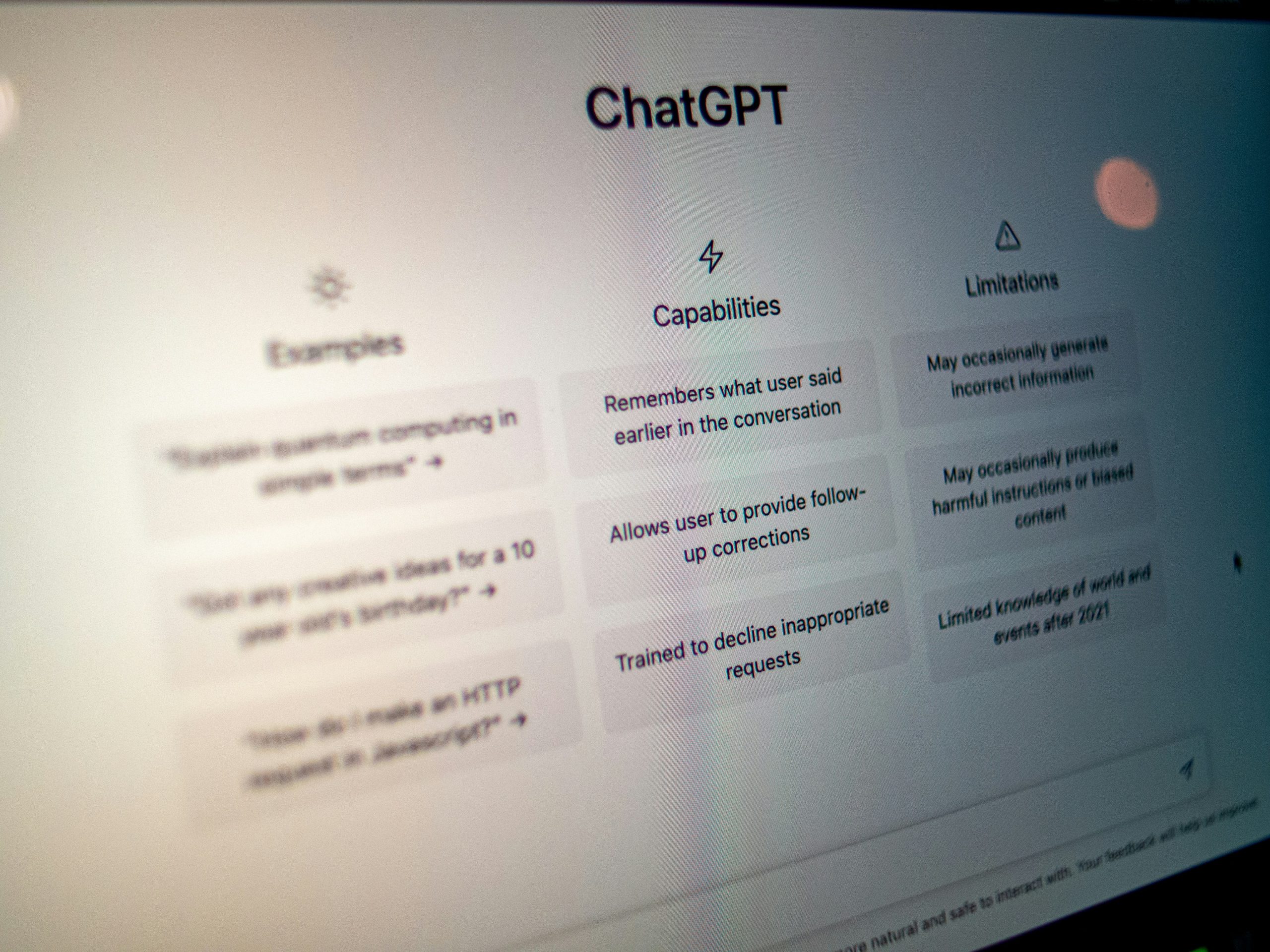

AI assistants like ChatGPT, Claude, Perplexity, and Google’s SGE are changing how people find information. Instead of clicking through search results, users get direct answers synthesized from multiple sources. To get your content cited by AI, you need structured summaries that AI can easily parse and understand.
This guide shows you how to create AI-ready content with structured summaries using Nexus Pro. You’ll learn formatting techniques, schema markup, and best practices that increase your chances of being cited as a trusted source.
Why AI Assistants Need Structured Summaries
AI models process vast amounts of text but prioritize well-structured, easily parsable content.
How AI Processes Content
Traditional Search:
- Matches keywords
- Analyzes links
- Ranks by relevance
AI Search:
- Reads and comprehends text
- Synthesizes information from sources
- Generates original answers
- Cites authoritative sources
What AI Looks For:
- Clear structure (headings, lists)
- Concise summaries
- Factual information
- Proper citations
- Schema markup
- Semantic HTML
Benefits of AI Citations
Increased Visibility:
- Reach users who never visit websites
- Brand exposure in AI responses
- Authority building
- Competitive advantage
Traffic Growth:
- “Learn more” links drive clicks
- Citation builds trust
- Users visit for details
- Higher quality visitors
Future-Proofing:
- AI search growing 30%+ monthly
- Early adopter advantage
- Sustainable strategy
- Adapts to search evolution
Creating Effective Structured Summaries
The foundation of AI-ready content is a well-crafted summary.
TL;DR Summaries
What TL;DR Means: “Too Long; Didn’t Read” – brief overview of main points.
Optimal Format:
- 2-3 sentences
- 100-150 words maximum
- Front-loaded key information
- Standalone clarity
Good TL;DR Example: “Structured summaries help AI assistants understand and cite your content. Use TL;DR blocks, clear headings, and schema markup to increase visibility in AI search results. Nexus Pro provides built-in tools for creating AI-ready content.”
Poor TL;DR Example: “This article discusses various techniques and strategies for optimizing content.”
With Nexus Pro: Add TL;DR block at top of content:
- Insert “TL;DR” block
- Write concise 2-3 sentence summary
- Block automatically styled
- Adds Article summary schema
- Signals importance to AI
Executive Summaries
For longer content (2,000+ words), add detailed executive summary.
Structure:
- Problem statement
- Solution overview
- Key findings (3-5 points)
- Main takeaway
Length: 150-300 words
Example: “Problem: Content creators struggle to get cited by AI search engines.
Solution: Implement structured summaries, schema markup, and clear formatting that AI can parse effectively.
Key Findings:
- AI prioritizes content with TL;DR summaries
- Schema markup increases citation likelihood by 40%
- Clear headings improve comprehension
- Question-answer format works best
- Citations build authority
Takeaway: AI-ready content requires structure over keywords. Focus on clarity, organization, and semantic markup.”
Key Takeaways Sections
End articles with bullet-point summaries.
Format:
## Key Takeaways

1. Use TL;DR blocks for quick summaries
2. Implement schema markup for structure
3. Write in question-answer format
4. Include proper citations
5. Test with AI search tools
6. Monitor performance and refine
Why Effective:
- Easy for AI to extract
- Users scan takeaways
- Reinforces main points
- Natural summary format
Formatting Content for AI
Structure and formatting dramatically affect AI comprehension.
Heading Hierarchy
Logical Structure:
H1: Main Article Title
  H2: Major Section
    H3: Subsection
    H3: Another Subsection
  H2: Next Major Section
AI Benefits:
- Understands content organization
- Identifies main topics
- Extracts section summaries
- Creates contextual answers
Best Practices:
- Only one H1 per page
- Don’t skip levels (H2 to H4)
- Descriptive headings
- Include keywords naturally
- 3-5 H2s per article
Question-Based Headings
AI trained on Q&A format responds well to questions.
Instead of: “Meta Description Optimization” Use: “How Do You Write Effective Meta Descriptions?”
Instead of: “Image Compression” Use: “What’s the Best Way to Compress Images?”
Benefits:
- Matches user queries
- Natural language format
- AI understands intent
- Featured snippet potential
Lists and Bullet Points
AI excels at extracting list information.
Use Lists For:
- Steps in a process
- Multiple options
- Feature comparisons
- Tips and techniques
- Tools and resources
Format:
**Best Practices:**
- Keep summaries under 150 words
- Use clear, simple language
- Include specific data
- Cite authoritative sources
- Update regularly
Data and Statistics
AI values factual, verifiable information.
Include:
- Specific numbers with sources
- Publication dates
- Study citations
- Expert quotes
- Industry data
Format: “According to a 2024 study by Search Engine Journal, content with structured summaries gets cited by AI 40% more often than unstructured content.”
Not: “Studies show AI prefers structured content.”
Implementing Schema Markup for AI
Schema helps AI understand content context and relationships.
Article Schema
Basic requirement for all content.
With Nexus Pro:
- Automatically applied to blog posts
- Includes headline, author, dates
- Featured image
- Article body
- Publisher information
Why AI Needs It:
- Identifies content type
- Understands authorship
- Knows publication date
- Recognizes main image
FAQ Schema
Perfect for AI – direct question-answer format.
Implementation:
- Open FAQ Schema panel in editor
- Add 5-10 question-answer pairs
- Use natural language questions
- Provide complete answers (50-100 words)
Example Questions:
- “What is structured content?”
- “How do AI assistants find sources?”
- “Why does schema markup matter?”
AI Benefits:
- Direct answer extraction
- Question matching
- High citation likelihood
- Appears in AI responses
HowTo Schema
For tutorial content, step-by-step guides.
Structure:
- Clear numbered steps
- Tools/materials needed
- Time estimates
- Visual instructions
AI Usage: AI can extract and present:
- “Here’s how to…”
- “Follow these steps…”
- “You’ll need…”
Breadcrumb Schema
Shows content hierarchy.
With Nexus Pro: Enable in Settings > Nexus Pro > Breadcrumbs
Helps AI Understand:
- Site structure
- Content relationships
- Topic hierarchy
- Navigation paths
AI-Specific Meta Tags
Signal content priority to AI search engines.
AI Summary Meta Tags
With Nexus Pro: AI Summary & SEO panel in editor:
Fields:
- Enable AI Structured Summary: Toggle ON
- Priority Level: High/Medium/Low
- Custom AI Summary: 150-200 characters
Priority Levels:
- High: Pillar content, definitive guides
- Medium: Supporting articles, how-tos
- Low: Opinion pieces, news updates
Example AI Summary: “Complete guide to AI-ready content including structured summaries, schema markup, and formatting best practices. Learn how to get cited by ChatGPT, Perplexity, and Claude.”
Content Provenance
Mark content origin and authenticity.
Options:
- Human-written
- AI-assisted (human edited)
- AI-generated (human reviewed)
Why Declare:
- Transparency builds trust
- AI prioritizes authentic sources
- Future regulation compliance
- Reader confidence
With Nexus Pro: Content provenance settings in AI Summary panel.
Testing AI Content Effectiveness
Verify AI can find and cite your content.
Manual Testing
ChatGPT Test:
- Ask ChatGPT about your topic
- Check if your content cited
- Review how it’s used
- Note citation context
Perplexity Test:
- Search your topic in Perplexity
- Look for your domain in sources
- Check citation prominence
- Review answer accuracy
Claude Test:
- Ask Claude related questions
- See if it references your content
- Check attribution
- Verify accuracy
Monitoring Citations
Track Mentions:
- Google Alerts for brand name
- Brand monitoring tools
- Manual searches in AI platforms
- Traffic from AI referrers
Analytics: Set up tracking for:
- chat.openai.com referrals
- perplexity.ai traffic
- claude.ai visits
- AI platform attribution
A/B Testing
Test Variations:
- With vs without TL;DR
- Different summary lengths
- Schema vs no schema
- Question vs statement headings
Measure:
- Citation frequency
- Traffic from AI sources
- User engagement
- Time on page
Content Types That Perform Best
Certain formats get cited more frequently.
Definitive Guides
Why AI Loves Them:
- Comprehensive coverage
- Authoritative tone
- Multiple subtopics
- Well-structured
- Frequently updated
Length: 2,000-5,000 words Format: Ultimate guide, complete guide
How-To Tutorials
Appeal:
- Step-by-step clarity
- Actionable instructions
- Numbered lists
- Clear outcomes
Schema: HowTo schema markup Format: “How to [action]”
FAQs and Q&A
Perfect Format:
- Direct questions
- Complete answers
- Multiple related topics
- Natural language
Schema: FAQ schema Ideal: 10-20 Q&A pairs
Data and Research
Value:
- Original data
- Unique insights
- Citable statistics
- Authoritative source
Include:
- Methodology
- Sample sizes
- Publication date
- Raw data (when possible)
Common Mistakes to Avoid
Don’t make these errors that reduce AI citations.
Overly Promotional Content
Problem: AI filters marketing speak
Instead:
- Focus on information
- Provide genuine value
- Skip sales pitches
- Be objective
Missing Context
Problem: AI needs background
Include:
- Definitions
- Background information
- Prerequisites
- Related concepts
Inconsistent Formatting
Problem: Confuses AI parsers
Maintain:
- Consistent heading levels
- Standard list formats
- Uniform schema
- Regular structure
Outdated Information
Problem: AI prioritizes current content
Solution:
- Update regularly
- Add publication dates
- Refresh statistics
- Note “Last Updated”
Conclusion
Creating AI-ready content with structured summaries increases your chances of being cited by AI assistants. By implementing TL;DR blocks, schema markup, and clear formatting, you make your content accessible to both human readers and AI systems.
Action Plan:
- Add TL;DR summaries to all content
- Implement FAQ and HowTo schema
- Use question-based headings
- Enable AI summary meta tags in Nexus Pro
- Structure with clear hierarchy
- Test with AI platforms
- Monitor citations and refine
With Nexus Pro:
- TL;DR block built-in
- AI Summary meta tag panel
- Multiple schema types
- Content provenance tracking
- Optimized for AI search
Start with your most important content, add structured summaries, and monitor which formats get cited most frequently. Refine your approach based on results.
Related Articles: