

Page speed is a confirmed Google ranking factor and critical for user experience. A slow WordPress site leads to higher bounce rates, lower conversions, and reduced search visibility. Studies show that 53% of mobile users abandon sites that take longer than 3 seconds to load.
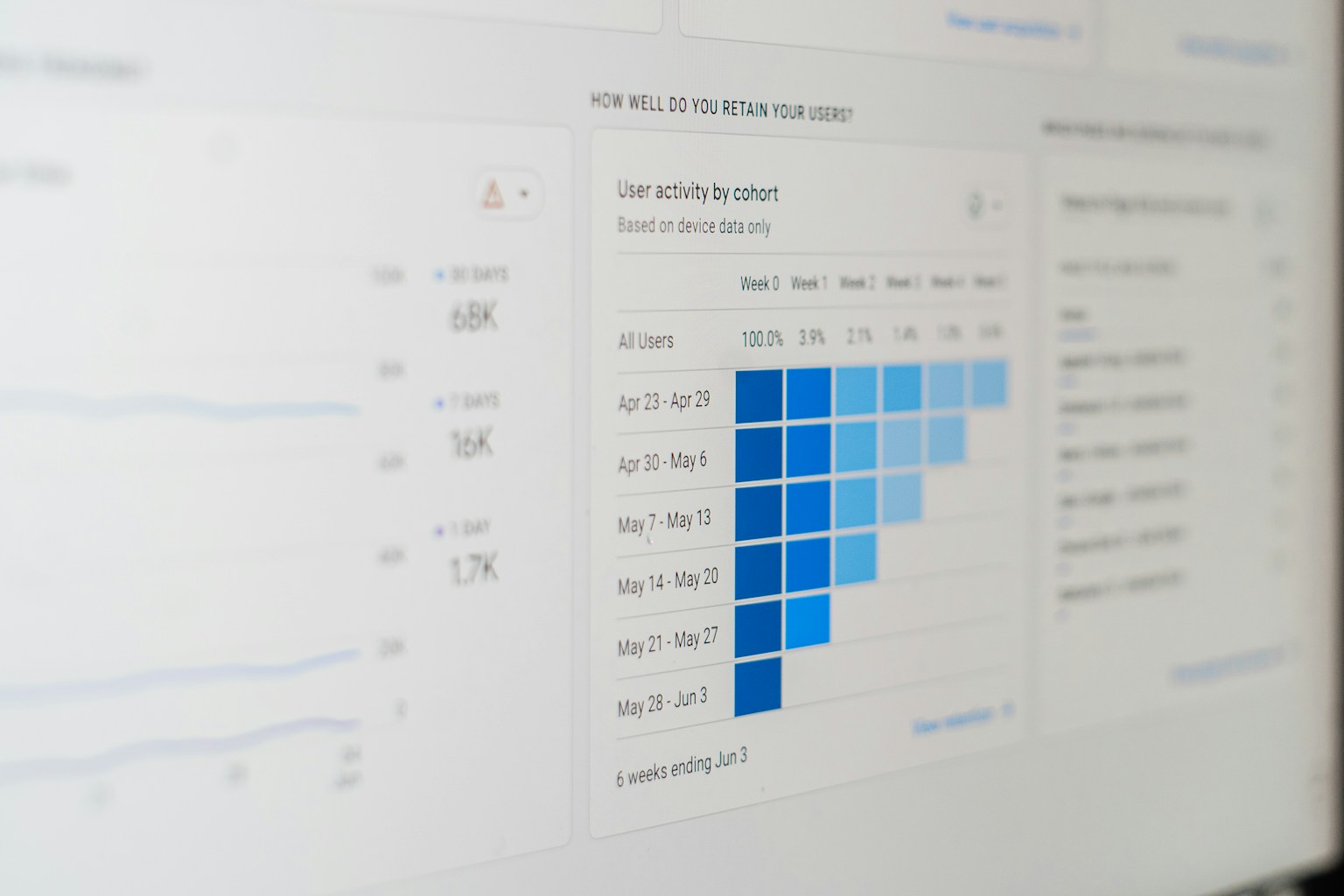
This guide provides 12 actionable techniques to speed up your WordPress site, improve Core Web Vitals scores, and deliver a faster experience to your visitors. With Nexus Pro’s built-in performance features, many optimizations are just a toggle away.
Why WordPress Speed Matters
Site speed impacts multiple aspects of your online success.
User Experience
- Users expect pages to load in under 2 seconds
- Every 100ms delay reduces conversions by 7%
- Slow sites frustrate visitors and increase bounce rates
- Fast sites keep users engaged longer
SEO Rankings
- Google uses page speed as a ranking factor
- Core Web Vitals directly impact rankings
- Faster sites get crawled more frequently
- Mobile speed especially critical
Conversion Rates
- 1 second delay = 7% reduction in conversions
- Amazon loses $1.6B annually per second of delay
- Fast checkout processes reduce cart abandonment
- Speed builds trust and credibility
Technique 1: Choose Quality Hosting
Your hosting provider is the foundation of site speed.
Hosting Types Compared
Shared Hosting ($3-10/month):
- Multiple sites on one server
- Limited resources
- Slowest option
- Budget-friendly but performance suffers
Managed WordPress Hosting ($25-50/month):
- WordPress-optimized servers
- Built-in caching
- Better performance and security
- Recommended for most sites
VPS/Cloud Hosting ($20-80/month):
- Dedicated resources
- Scalable performance
- More technical knowledge required
- Best for high-traffic sites
What to Look For
- SSD storage (faster than HDD)
- PHP 8.0+ support
- Server location near your audience
- Built-in caching
- CDN integration
- 99.9%+ uptime guarantee
- Good support response times
Technique 2: Implement Caching
Caching creates static versions of dynamic pages, dramatically reducing server load.
Page Caching
Saves full HTML output of pages for instant serving to repeat visitors.
Best Caching Plugins:
- WP Rocket ($59/year) – Easiest, best performance
- WP Super Cache (Free) – Reliable, widely used
- W3 Total Cache (Free) – Feature-rich but complex
Basic Setup:
- Install caching plugin
- Enable page caching
- Enable browser caching
- Configure cache expiration (24-48 hours)
- Clear cache after site changes
Object Caching
Stores database query results in memory for faster retrieval.
Options:
- Redis (recommended)
- Memcached
- APCu
Implementation: Requires server support. Check with hosting provider.
Browser Caching
Tells browsers to store static files locally for repeat visits.
With Nexus Pro: Automatic browser caching headers for CSS, JS, and images.
Technique 3: Optimize Images
Images often account for 50-80% of total page weight.
Before Upload
- Resize to appropriate dimensions (1200-1600px max width)
- Compress using TinyPNG or Squoosh
- Choose correct format:
- JPEG for photos
- PNG for graphics with transparency
- WebP for best compression (25-35% smaller)
WordPress Image Optimization
Recommended Plugins:
- ShortPixel – Excellent compression, generous free tier
- Imagify – Good balance of quality and compression
- EWWW Image Optimizer – Free, unlimited
Settings:
- Lossy compression (balanced quality/size)
- Convert to WebP
- Lazy load images
- Strip metadata
Lazy Loading
Load images only when they enter viewport.
With Nexus Pro: Navigate to Customizer > Performance Optimization:
- Toggle “Lazy Load Images” ON
- Toggle “Lazy Load Iframes” ON
- Saves bandwidth and improves initial load time
Technique 4: Minify CSS, JavaScript, and HTML
Minification removes unnecessary characters from code without changing functionality.
What Gets Removed
- Whitespace and line breaks
- Comments
- Unnecessary semicolons
- Shortened variable names (JS)
Size Reduction:
- CSS: 20-40%
- JavaScript: 30-50%
- HTML: 10-20%
Implementation
Via Caching Plugin: Most caching plugins include minification:
- WP Rocket: Automatic minification
- W3 Total Cache: Manual configuration needed
- Autoptimize: Dedicated to optimization
Via CDN: Cloudflare offers automatic minification for all file types.
Warning: Test thoroughly after enabling. Some JavaScript may break if minified incorrectly.
Technique 5: Use a Content Delivery Network (CDN)
CDNs serve static files from servers closest to your visitors.
How CDNs Work
- Upload static files to CDN network
- CDN replicates files to global servers
- Visitors get files from nearest server
- Reduces latency and server load
Recommended CDNs
Cloudflare (Free/Paid):
- Free plan includes CDN
- DDoS protection
- SSL certificate
- Automatic optimization
BunnyCDN ($1/month):
- Pay per usage
- Fast delivery
- Simple setup
StackPath (Paid):
- Premium performance
- Edge computing
- Advanced features
Setup Process
- Sign up for CDN service
- Add your domain
- Update DNS settings (nameservers)
- Configure CDN settings
- Purge cache when needed
Technique 6: Optimize Database
WordPress databases accumulate unnecessary data over time.
Database Bloat Sources
- Post revisions (every save creates new revision)
- Trashed posts and comments
- Spam comments
- Transients (temporary options)
- Orphaned metadata
Cleanup Methods
Plugin Method:
- WP-Optimize (Free) – All-in-one optimization
- Advanced Database Cleaner (Free) – Thorough cleanup
Manual Cleanup:
-- Delete post revisions
DELETE FROM wp_posts WHERE post_type = 'revision';

-- Delete trashed posts
DELETE FROM wp_posts WHERE post_status = 'trash';

-- Delete spam comments
DELETE FROM wp_comments WHERE comment_approved = 'spam';

-- Optimize tables
OPTIMIZE TABLE wp_posts, wp_postmeta, wp_comments;
Prevention
Limit Post Revisions: Add to wp-config.php:
define('WP_POST_REVISIONS', 3);
Auto-delete Trash:
define('EMPTY_TRASH_DAYS', 7);
Technique 7: Reduce HTTP Requests
Each file (CSS, JS, image) requires a separate HTTP request.
Combine Files
- Merge multiple CSS files into one
- Combine JavaScript files
- Use icon fonts instead of individual images
- Implement CSS sprites
With Caching Plugins: Most handle file combination automatically.
Remove Unnecessary Scripts
Identify Unused Plugins:
- Deactivate unused plugins
- Delete plugins not in use
- Find lighter alternatives
Selective Loading: Use plugins like Asset CleanUp to load scripts only on needed pages.
Technique 8: Enable GZIP Compression
GZIP compresses text files before sending to browsers.
Compression Benefits
- 70-80% reduction in file sizes
- Faster transfer over network
- Lower bandwidth usage
Enable GZIP
Via .htaccess:
<IfModule mod_deflate.c>
  AddOutputFilterByType DEFLATE text/html text/plain text/xml text/css text/javascript application/javascript
</IfModule>
Via Plugin: Most caching plugins enable GZIP automatically.
Via Hosting: Many hosts enable by default. Check with support.
Verification
Test at giftofspeed.com/gzip-test/
Technique 9: Optimize WordPress Settings
Built-in WordPress settings affect performance.
Disable Pingbacks and Trackbacks
Settings > Discussion:
- Uncheck “Allow link notifications from other blogs”
- Reduces database queries
Limit Post Revisions
Already covered in database section.
Disable Emojis
With Nexus Pro: Customizer > Performance > “Disable Emojis” toggle ON
- Removes emoji JavaScript (~10KB)
- One less HTTP request
- Faster page loads
Set Appropriate Permalink Structure
Settings > Permalinks:
- Use “Post name” structure
- Avoid date-based permalinks (slower queries)
Technique 10: Use Lightweight Theme
Theme choice significantly impacts performance.
Theme Performance Factors
- Code quality and efficiency
- Number of features loaded
- JavaScript and CSS file sizes
- Database queries generated
Nexus Theme Benefits
- Lightweight, optimized code
- Block-based (faster than legacy themes)
- Minimal JavaScript
- Clean, efficient CSS
- No jQuery dependency
- Passes Core Web Vitals
Avoid
- Bloated multipurpose themes
- Themes with page builders
- Themes loading excessive fonts
- Outdated themes
Technique 11: Optimize External Services
External scripts slow down your site.
Limit Third-Party Scripts
Common Culprits:
- Social media embeds
- Comment systems (Disqus, Facebook)
- Analytics (multiple trackers)
- Advertising scripts
- Chat widgets
Best Practices:
- Load scripts asynchronously
- Defer non-critical scripts
- Combine similar services
- Remove unused integrations
Google Analytics Optimization
- Use gtag.js (latest version)
- Load asynchronously
- Consider server-side tracking
Font Loading
Google Fonts:
- Limit to 2 font families
- Use 2-3 weights maximum
- Preconnect to fonts.googleapis.com
- Consider system fonts instead
Technique 12: Monitor and Test Regularly
Ongoing monitoring ensures sustained performance.
Performance Testing Tools
Google PageSpeed Insights:
- Tests mobile and desktop
- Provides Core Web Vitals scores
- Specific optimization recommendations
GTmetrix:
- Detailed performance report
- Waterfall chart
- Historical tracking
WebPageTest:
- Tests from multiple locations
- Film strip view
- Advanced diagnostics
Chrome DevTools:
- Lighthouse audit
- Network waterfall
- Performance profiling
Core Web Vitals
LCP (Largest Contentful Paint):
- Target: Under 2.5 seconds
- Measures loading performance
FID/INP (First Input Delay/Interaction to Next Paint):
- Target: Under 100ms / 200ms
- Measures interactivity
CLS (Cumulative Layout Shift):
- Target: Under 0.1
- Measures visual stability
Monitoring Schedule
- Test weekly during development
- Monthly for stable sites
- After each major change
- Before/after plugin updates
Nexus Pro Performance Features
Built-in optimizations in Nexus Pro.
Customizer Performance Panel
Access: Customizer > Performance Optimization
Settings:
- Disable Emojis – Removes emoji script (saves ~10KB)
- Lazy Load Images – Images load on scroll
- Lazy Load Iframes – Defers YouTube embeds, etc.
- Preload Critical Resources – Fonts, CSS preloading
Automatic Optimizations
- Optimized code structure
- Minimal CSS and JavaScript
- No jQuery dependency
- Efficient database queries
- Clean HTML output
Performance Benefits
- 20-30% faster than average themes
- Better Core Web Vitals scores
- Reduced server load
- Improved user experience
Conclusion
Speeding up WordPress requires a multi-faceted approach combining hosting, caching, optimization, and ongoing monitoring. By implementing these 12 techniques, you can significantly reduce load times and improve user experience.
Priority Quick Wins:
- Enable caching plugin
- Optimize images
- Use Nexus Pro performance features
- Choose quality hosting
- Enable lazy loading
- Minify CSS/JavaScript
With Nexus Pro, you get:
- Built-in performance optimizations
- One-click lazy loading
- Emoji script removal
- Critical resource preloading
- Lightweight, efficient code
Start with the highest-impact changes (caching, image optimization) then work through the remaining techniques systematically. Test performance before and after each change to measure improvements.
Related Articles:
- Core Web Vitals Guide: LCP, FID, and CLS Optimization
- Lazy Loading and Image Optimization Guide
- WordPress Caching: Complete Setup Guide
- Complete WordPress SEO Checklist